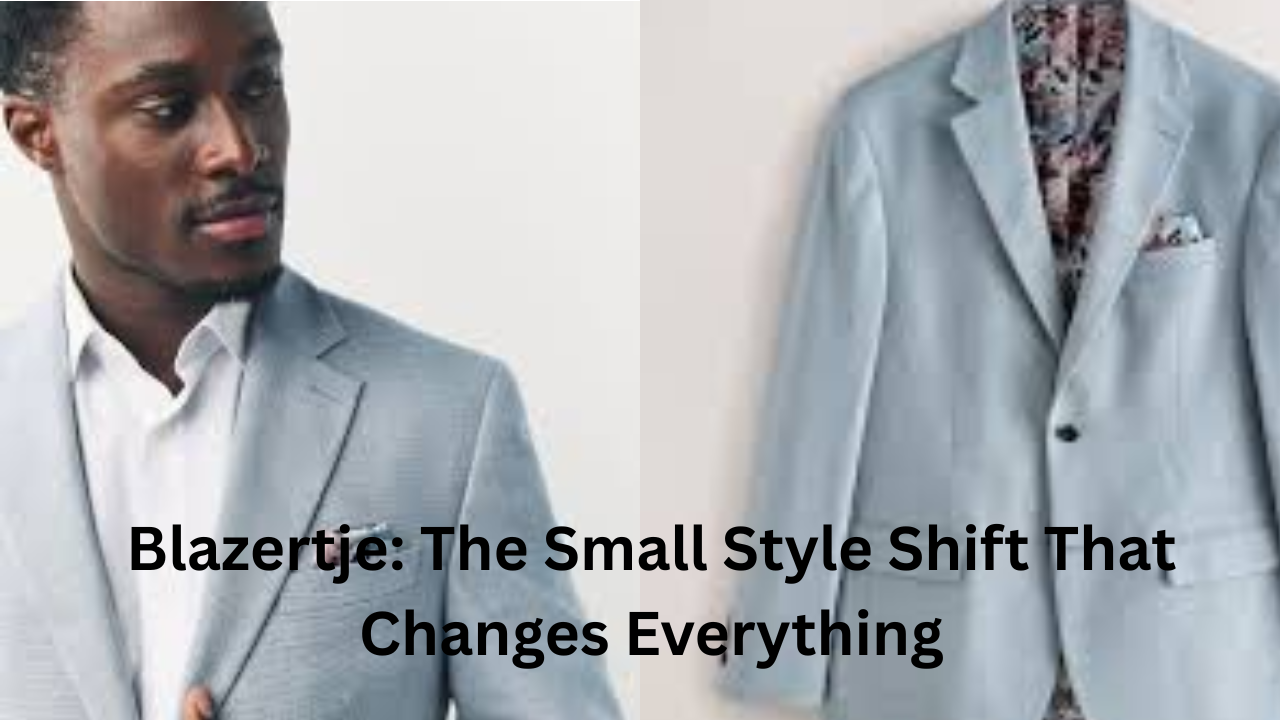
Some wardrobe pieces don’t look like much on a hanger. A bit structured. A bit plain. Easy to overlook.
Then someone puts it on, and suddenly the whole outfit clicks.
That’s the blazertje.
It’s not loud. It doesn’t beg for attention. But it quietly sharpens everything around it. Throw one over a basic outfit, and you go from “just dressed” to something more intentional without really trying.
And that’s why people keep coming back to it.
What a Blazertje Really Is
At its essence, a blazertje is a softer, more casual take on the classic blazer. Think less boardroom, more everyday life.
It keeps the structure of a blazer but drops the stiffness. Softer fabrics. Easier fits. Sometimes shorter cuts. Sometimes a bit playful with color or texture.
You could wear it to a casual dinner, a quick meeting, or even just a walk through the city. It adapts.
Here’s the thing. It’s not about dressing up. It’s about pulling things together.
Imagine wearing jeans and a plain T-shirt. Comfortable, sure. Now add a blazertje. Same outfit, but it feels more complete. Like you made a choice instead of just grabbing whatever was closest.
Why It Works So Well
Let’s be honest, most people don’t want complicated style.
They want something easy. Something reliable. Something that works without overthinking.
The blazertje fits right into that.
It acts like a shortcut. You don’t need ten layers or carefully planned combinations. One piece does a lot of the work.
A friend of mine keeps one hanging near his door. He’ll head out in a hoodie and jeans, then pause, grab the blazertje, and suddenly the whole look shifts. Not formal. Just sharper.
That small upgrade matters more than people expect.
The Balance Between Casual and Polished
Clothes often lean too far one way.
Too casual, and you risk looking like you didn’t try. Too formal, and you feel out of place.
The blazertje sits right in the middle.
It softens formal edges while tightening up casual ones. That balance is hard to get right, but when it works, it feels natural.
You can walk into a café, a casual meeting, or even a semi-formal event and not feel underdressed or overdressed.
That flexibility is its real strength.
Fabric Makes All the Difference
Not all blazertjes feel the same, and fabric plays a big role.
Light cotton versions feel easy and breathable. Great for warmer days when you still want a bit of structure without overheating.
Wool blends bring more shape and work better in cooler weather. They hold their form and give that slightly sharper look.
Then there are textured options. Linen, for example, has that relaxed, slightly wrinkled feel that actually works in its favor. It looks lived-in, not sloppy.
Choosing the right fabric changes how the whole piece behaves. It’s worth paying attention to.
Fit: Where Most People Get It Wrong
Here’s where things can fall apart.
A blazertje that doesn’t fit well won’t do you any favors. Too tight, and it feels restrictive. Too loose, and it loses structure.
You want something that follows your shape without clinging to it. Shoulders should sit naturally. Sleeves shouldn’t swallow your hands. Length should feel balanced with your body.
Try this. Put one on and move around a bit. Sit down. Reach forward. If you forget you’re wearing it after a minute, that’s a good sign.
Comfort and structure should work together, not compete.
Everyday Situations Where It Shines
The beauty of a blazertje is how easily it slips into daily life.
Heading out for coffee? It works.
Meeting someone for a casual lunch? Still works.
Even in slightly more formal settings, it holds its own.
I remember seeing someone at an airport wearing joggers, a plain shirt, and a blazertje. It shouldn’t have worked, but it did. They looked comfortable and put together at the same time.
That’s the sweet spot.
Color Choices That Actually Make Sense
Black is the obvious option. Safe. Reliable. Hard to mess up.
But it’s not the only choice.
Navy gives a softer look while still feeling polished. Grey sits somewhere in between, easy to pair with almost anything.
Then there are earthy tones. Beige, olive, even muted brown. These bring warmth and can make an outfit feel more relaxed without losing structure.
You don’t need a whole collection. Just one or two well-chosen colors can cover most situations.
Dressing It Up Without Overdoing It
Sometimes you want a slightly sharper look. The blazertje can handle that too.
Swap the T-shirt for a button-down shirt. Maybe add cleaner shoes. Suddenly it leans more polished without crossing into formal territory.
The trick is not to overstack elements. Let the blazertje do its job.
Too many “smart” pieces at once can make the whole thing feel forced. Keep it simple and let the balance come naturally.
When It Doesn’t Work
It’s not perfect for every situation.
Very formal events? Probably not the best choice. A full blazer or suit makes more sense there.
Extreme weather can also be tricky. Very hot days might make even lightweight fabrics uncomfortable. Heavy rain doesn’t mix well with certain materials either.
And sometimes, it just doesn’t match the mood. If everyone else is dressed completely casual, it might stand out more than you want.
Knowing when not to wear it is part of using it well.
Building Around It
Once you have a good blazertje, it changes how you think about the rest of your wardrobe.
You start choosing simpler base pieces. Clean T-shirts. Well-fitting jeans. Neutral shoes.
Because you know the blazertje will bring everything together.
It reduces decision fatigue. You don’t need to over-plan outfits. You just build around a solid center piece.
That’s a practical benefit people don’t talk about enough.
The Confidence Factor
Clothes don’t create confidence, but they can support it.
A well-fitting blazertje gives a subtle boost. You stand a bit straighter. You feel a bit more prepared.
Not in a dramatic way. Just enough to notice.
It’s like having a reliable go-to option. You don’t second-guess yourself as much when you know something works.
That ease shows.
Why It Stays Relevant
Fashion trends move fast. Pieces come and go.
The blazertje sticks around because it’s not tied to one specific trend. It adapts.
Different cuts, fabrics, and colors keep it fresh without changing the core idea.
People return to it because it solves a real problem. How to look put together without trying too hard.
That’s not something that goes out of style.
Final Thoughts
The blazertje isn’t about making a statement. It’s about making things work.
It takes what you already have and lifts it slightly. Not dramatically. Just enough to feel intentional.
And once you get used to that kind of simplicity, it’s hard to go back to overthinking every outfit.
Sometimes the best style choices aren’t the boldest ones. They’re the ones that quietly make everything easier.
