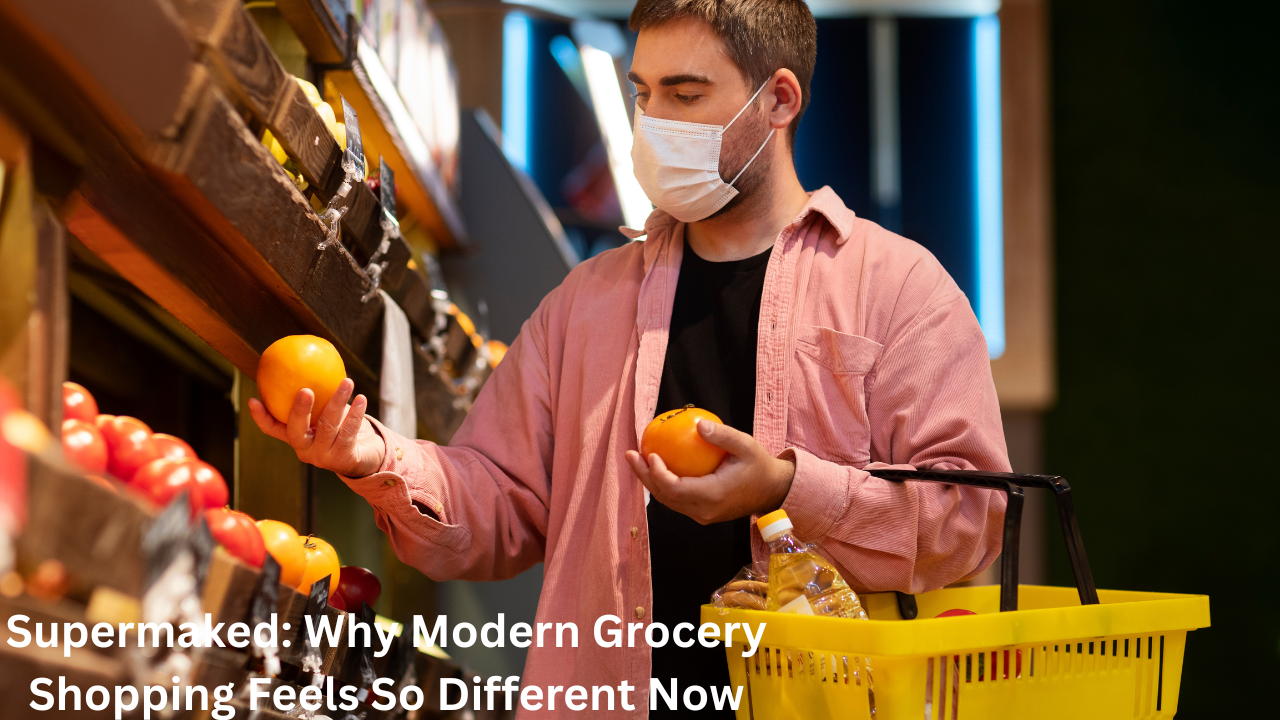
You can learn a lot about people by watching how they shop for groceries.
Some move fast with a strict list and zero patience. Others wander every aisle like they’re exploring a small city. Then there’s the person standing in front of twenty yogurt options looking genuinely overwhelmed by modern life.
That last one feels familiar to a lot of us.
Shopping used to be simpler. Maybe not better, but definitely simpler. Now stores are bigger, brighter, smarter, and strangely psychological at times. That’s part of why the term “supermaked” has started getting attention online.
The word itself is basically a variation of “supermarket,” often used as a brand name or modern retail label. But it also reflects something bigger happening in grocery culture. Shopping isn’t just about buying bread and milk anymore. Stores are trying to become experiences, convenience hubs, local gathering spots, and mini tech ecosystems all at once.
And honestly, whether people realize it or not, those changes affect daily life more than they expect.
Grocery Stores Quietly Became Lifestyle Spaces
A quick grocery run used to mean exactly that. Quick.
Now you walk in for eggs and somehow pass a sushi counter, fresh bakery section, self-checkout station, phone charging kiosk, coffee bar, and a display convincing you that artisanal honey will improve your personality.
That shift didn’t happen overnight.
Modern supermaked-style stores are designed around comfort and flow as much as products. Retailers know people don’t just buy necessities. They buy convenience, familiarity, speed, and mood.
Here’s a small example.
Ever notice how fresh produce usually sits near the entrance? Bright colors. Clean lighting. Stacked oranges and shiny apples arranged almost perfectly.
That’s intentional.
Stores want the first few seconds to feel fresh and positive because it subtly changes how people shop afterward. Sounds dramatic, but retail psychology has been shaping supermarkets for decades.
And let’s be honest, it works.
A good grocery store can genuinely make errands feel less exhausting.
Convenience Became the Real Product
Most people assume grocery stores sell food.
Technically true. But convenience is really what customers pay for now.
Think about it. A person could visit a butcher, bakery, produce stand, and household store separately like people once did. Almost nobody wants that anymore.
Modern supermaked stores exist because people value time more than ever.
Busy parents grab pre-cut vegetables because dinner needs to happen in twenty minutes. Office workers pick up ready-made meals after long commutes. Students buy frozen food because they’re juggling classes, work, and rent stress simultaneously.
The shopping experience changed because life changed first.
A neighbor of mine orders groceries online every Friday night while watching football. He says it saves him two hours every weekend and prevents impulse spending. Meanwhile his mother still insists on visiting stores in person because she likes inspecting tomatoes herself.
Both approaches make sense.
That’s the interesting thing about modern grocery culture. It now tries to serve completely different lifestyles under one roof.
Supermaked Stores Feel More Local Than Giant Chains
One reason smaller branded stores attract attention is the feeling they create.
Big supermarket chains often feel efficient but emotionally flat. You walk in, grab items, leave, forget the experience immediately.
Smaller community-focused stores sometimes feel different.
Employees recognize regular customers. Local products get shelf space. The atmosphere feels less corporate and more familiar. That local angle is a major part of how supermaked-style branding works.
Now, not every store delivers on that promise. Some just use trendy branding without changing much else.
Still, shoppers clearly respond to places that feel more personal.
There’s probably a reason people willingly drive farther for stores they actually enjoy visiting.
The Strange Psychology of Grocery Shopping
Here’s where things get interesting.
Supermarkets are designed incredibly carefully. Almost nothing about store layout happens randomly.
Staples like milk and eggs often sit toward the back, forcing customers to walk past dozens of other products first. End-of-aisle displays grab attention because human brains naturally notice visual interruptions. Music tempo even affects shopping speed in some stores.
Sounds manipulative because, well, sometimes it is.
But not all retail strategy is negative. Some design choices genuinely improve shopping flow and reduce stress. Wide aisles, clear signs, organized layouts, and fast checkout systems matter more than people realize until they experience terrible versions of them.
Everyone has entered a chaotic store at least once and immediately wanted to leave.
That feeling matters.
A calm shopping experience has actual value when daily life already feels overloaded.
Technology Changed the Grocery Experience Fast
Five years ago, self-checkout still felt slightly futuristic to some shoppers.
Now people scan items without thinking twice.
Online grocery ordering exploded too. Delivery apps, store pickup systems, digital coupons, inventory tracking, and mobile payment options completely changed expectations around shopping.
And honestly, there’s no going backward.
Once people experience the convenience of ordering groceries from their couch during a rainy evening, traditional shopping starts feeling less necessary for certain purchases.
But technology also created weird new frustrations.
Self-checkout machines yelling “unexpected item in bagging area” might be one of modern society’s most universally shared annoyances.
Everybody suddenly becomes a part-time cashier and part-time technician at the same time.
Still, stores continue investing heavily in automation because speed matters. Labor costs matter too.
Supermaked-style stores increasingly blend digital convenience with physical shopping instead of treating them separately.
That hybrid approach is probably the future.
People Care More About Food Quality Now
This shift deserves attention because it changed grocery retail completely.
Years ago, many shoppers focused mostly on price and quantity. Today people ask more questions.
Where was this grown?
What ingredients are inside?
Is it organic?
Local?
Sustainable?
Not everyone shops this way, obviously. Budgets still shape decisions more than ideals for many families. But awareness around food quality is noticeably higher than it used to be.
That’s why modern stores invest heavily in presentation and freshness.
Fresh bakery smells near entrances.
Visible produce sections.
Open deli counters.
Local farm branding.
Those things build trust visually before customers even taste anything.
A friend once joked that supermarkets now resemble food-themed entertainment centers more than grocery stores. Slight exaggeration, but not completely wrong.
Smaller Shopping Habits Changed Too
One underrated change is how people shop more frequently now.
Older generations often did one large weekly grocery trip. Modern consumers make smaller, quicker visits throughout the week because lifestyles became less predictable.
People work irregular schedules.
Eat out unexpectedly.
Order delivery.
Cook less consistently.
So stores adapted.
Grab-and-go meals expanded.
Prepared food sections grew larger.
Checkout speed became more important.
Even store sizes shifted in some areas because huge weekly stock-up trips aren’t universal anymore.
The modern grocery experience reflects modern attention spans too. Faster decisions. Faster movement. Faster everything.
Sometimes that’s efficient.
Sometimes it’s exhausting.
Community Still Matters More Than Retail Experts Admit
Here’s something large corporations occasionally miss: grocery stores are deeply tied to neighborhood identity.
People build routines around them.
The cashier recognizes familiar faces. Elderly customers chat briefly with employees. Parents bring children along after school. Teenagers buy snacks with pocket money. Small interactions repeat daily until the store becomes part of local life.
That human side matters more than flashy technology.
You can see it whenever a beloved local grocery store closes. People react emotionally because they’re losing familiarity, not just convenience.
Supermaked branding often leans into this community connection intentionally. The goal isn’t only selling products. It’s becoming part of everyday routines in a way giant impersonal retailers sometimes struggle to achieve.
And honestly, people notice the difference.
The Problem With Endless Choice
Modern supermarkets created a strange contradiction.
There’s more variety than ever before, yet shopping sometimes feels harder.
Walk into a toothpaste aisle today. It’s ridiculous.
Whitening.
Charcoal.
Sensitive care.
Extra fresh.
Herbal.
Clinical strength.
Twenty versions from the same company.
At some point, too much choice stops feeling helpful.
Retail experts call this “choice overload,” but regular people usually describe it differently: annoying.
Some modern stores are finally responding by simplifying layouts and highlighting curated products instead of overwhelming shoppers endlessly.
That’s probably smart.
Most people don’t actually want fifty cereal options. They just want a decent cereal quickly without making life decisions before breakfast.
Supermaked Reflects Bigger Changes in Daily Life
The reason terms like supermaked gain attention online isn’t really about vocabulary.
It’s because grocery stores quietly reflect broader cultural shifts.
Technology.
Convenience.
Community.
Health awareness.
Time pressure.
Consumer psychology.
All of it shows up in the way people shop for food.
A modern grocery store is basically a snapshot of how people live right now.
Fast-paced but convenience-driven.
Digitally connected but craving local familiarity.
Health-conscious while still buying frozen pizza at 11 p.m.
Human behavior is messy like that.
And grocery stores adapt constantly because they have to.
Shopping Will Keep Changing
The next decade will probably make today’s supermarkets feel old-fashioned.
More automation is coming. Smarter inventory systems too. Personalized promotions will become even more targeted. Some stores may shrink physically while expanding delivery operations behind the scenes.
But despite all the technology, one thing probably won’t change.
People still want shopping to feel easy.
Not futuristic.
Not complicated.
Just smooth and reliable.
That’s ultimately why successful grocery stores survive while others struggle. They reduce friction in everyday life.
Sounds simple, but it’s surprisingly difficult to do well.
Why Supermaked Actually Matters
At first glance, supermaked just sounds like another variation of “supermarket.”
But it points toward something larger: modern grocery shopping isn’t only transactional anymore. It blends convenience, psychology, technology, branding, and community into one experience.
And because grocery shopping happens so often, those small design choices shape everyday life quietly in the background.
Most people won’t spend much time thinking about store layouts or shopping behavior. They’ll just grab dinner ingredients and head home.
Still, the evolution of stores tells a bigger story about how people live now.
Faster lives.
Higher expectations.
Less free time.
More choices.
That’s why modern grocery spaces keep evolving.
Not because people suddenly became obsessed with supermarkets, but because daily life itself changed, and stores had to change with it.
