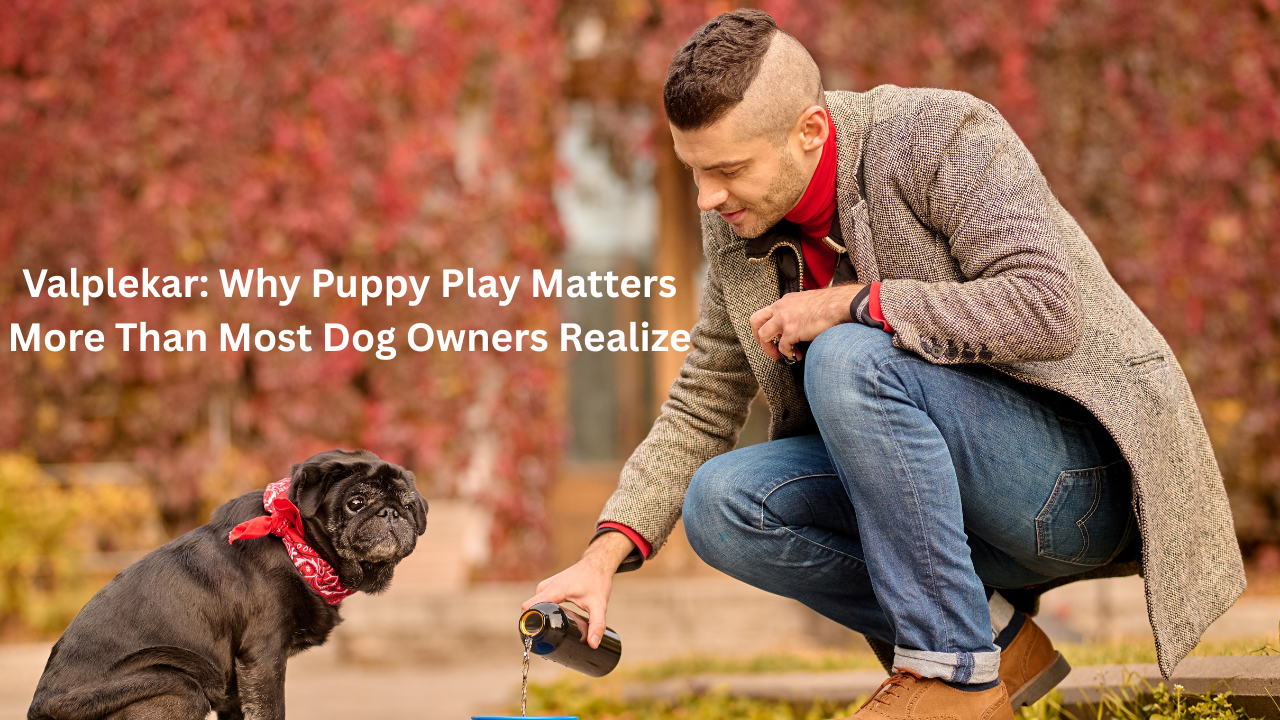
A puppy can turn a quiet house upside down in less than ten minutes. One second they’re asleep beside the couch, the next they’re dragging a sock through the hallway like they’ve just won a championship trophy.
That chaos? It’s not random.
A lot of what looks like silly puppy behavior is actually learning in progress. And that’s where the idea of valplekar comes in.
The word comes from Swedish and loosely translates to “puppy play” or “puppy games.” But it means more than tossing a tennis ball across the yard. Valplekar is really about how puppies learn through play, interaction, movement, and small daily experiences. It’s one of those concepts that sounds simple at first, then becomes surprisingly important once you spend real time around dogs.
People often focus heavily on obedience training when they bring home a puppy. Sit. Stay. Don’t chew the chair legs. Fair enough. But many experienced dog owners will tell you the same thing: structured play shapes behavior just as much as formal training does.
Sometimes more.
Puppies Learn Everything Through Play
Watch two puppies together for five minutes and you’ll see a crash course in communication.
One gets too rough. The other backs away. Then they reset. They chase each other, pause, tumble around, test boundaries, and somehow figure things out without a lecture or a rulebook.
That’s valplekar in action.
Play teaches puppies how hard they can bite, when to stop, how to read body language, and how to calm themselves down after excitement. Those are massive life skills for a dog.
Here’s the thing most new owners underestimate: a bored puppy doesn’t just become lazy. Usually the opposite happens.
They invent jobs.
That’s when shoes disappear. Couch cushions get redesigned. Garden plants become “digging projects.”
A friend of mine adopted a Labrador puppy last year. Smart dog. Too smart, honestly. She skipped playtime for a few busy days because of work deadlines, and the puppy somehow managed to pull an entire roll of toilet paper through three rooms without tearing it once. Almost impressive.
The point is simple. Puppies need healthy outlets for curiosity and energy. Valplekar gives them that.
It’s Not Just About Burning Energy
A lot of people treat play like exercise. Tire the puppy out and you’re done.
But good puppy play isn’t only physical.
Mental stimulation matters just as much.
Small games like hide-and-seek with treats, gentle tug sessions, obstacle courses made from pillows, or letting a puppy sniff around new environments can build confidence fast. Puppies are constantly collecting information about the world around them.
What’s safe?
What’s scary?
What’s exciting?
Who can they trust?
Play answers those questions naturally.
And honestly, you can usually tell which dogs had healthy early play experiences. They tend to recover from surprises faster. They’re more social. Less anxious. Easier to redirect when they get overstimulated.
Not perfect, obviously. Dogs still have personalities. Some are naturally bold. Others are cautious from day one.
Still, play shapes a lot of that development.
Valplekar Builds the Relationship Too
This part gets overlooked all the time.
People think training creates the bond. In reality, shared experiences do.
Play is communication.
When you kneel on the floor with a puppy and engage with them directly, you’re teaching them that being around you feels good, safe, and rewarding. That matters later when real challenges show up.
Vet visits.
Fireworks.
Busy streets.
Meeting strangers.
Dogs that trust their owners tend to handle stress better.
You don’t need elaborate activities either. Some of the best puppy interactions are ridiculously simple.
A short game of chase in the backyard.
Rolling a soft toy across the kitchen floor.
Calling their name and rewarding them when they run toward you.
That repetition builds connection in a very natural way.
And let’s be honest, adult life already has enough screens and schedules. Sitting on the floor for ten minutes while a puppy dramatically attacks a squeaky toy is weirdly grounding.
The Biggest Mistake New Puppy Owners Make
Too much intensity.
People either overstimulate puppies or expect nonstop calm behavior. There’s rarely a middle ground.
You’ll see someone encourage wild roughhousing for half an hour, then get frustrated when the puppy starts biting sleeves and sprinting through the house like a tiny maniac.
Puppies need balance.
Good valplekar includes excitement, but it also teaches transitions. Play starts. Play slows down. Play ends. That rhythm is important.
Experienced dog owners often stop games while the puppy still wants more. Not in a harsh way. Just calmly. That teaches emotional control over time.
Otherwise, puppies can become overly reactive because they never learn how to settle themselves after stimulation.
You can actually spot this difference at dog parks sometimes.
One puppy plays hard for a few minutes, then naturally resets and relaxes.
Another keeps escalating until everything turns chaotic.
Usually that behavior didn’t appear overnight.
Socialization Is More Than Meeting Other Dogs
People hear “socialization” and immediately think puppies need to greet every dog they see.
Not true.
Healthy socialization means learning how to exist calmly in different situations.
Valplekar can help with that in surprisingly practical ways.
A short walk near traffic noises.
Playing near bicycles.
Exploring grass, sand, stairs, slippery floors, or busy sidewalks.
These little experiences matter because puppies go through sensitive learning periods early in life. Safe exposure during that time can prevent fear problems later on.
One small example: a neighbor introduced her puppy to umbrellas during play sessions because the dog was terrified of sudden movements. She’d open the umbrella slowly, toss treats nearby, and make the experience playful instead of stressful.
A few weeks later the puppy barely noticed umbrellas anymore.
That’s smart puppy development. Nothing dramatic. Just patient exposure through positive interaction.
Not Every Puppy Likes the Same Type of Play
This part is important.
People sometimes assume all dogs enjoy rough play, nonstop fetch, or crowded dog parks. They don’t.
Breed matters a little. Personality matters more.
A herding breed puppy might love chasing movement and solving problems. A smaller companion breed may prefer gentler interaction and shorter sessions. Some puppies love social games with other dogs. Others bond more deeply through one-on-one play with humans.
You have to pay attention.
If a puppy keeps backing away, hiding, freezing, or getting overwhelmed, the answer usually isn’t “more excitement.” Sometimes they need slower experiences and more confidence-building activities.
Valplekar works best when it matches the puppy in front of you instead of forcing a fixed routine.
That flexibility is probably why the concept has lasted so long in dog care discussions.
Technology Changed Puppy Ownership Too
Now people document everything.
Entire social media accounts are built around puppies doing zoomies in living rooms or failing dramatically at catching treats. Some of it’s hilarious. Some of it’s honestly helpful.
But modern puppy culture also creates unrealistic expectations.
Owners sometimes think they need endless expensive toys, complex enrichment systems, or perfect training routines.
Most puppies don’t care.
Give them engagement, consistency, and safe interaction, and they’re usually happy.
One of the best puppy games I’ve ever seen involved nothing but a cardboard box and a few hidden treats. The dog spent twenty minutes investigating it like an archaeologist discovering lost treasure.
Simple works.
Why Valplekar Matters Beyond Puppyhood
Here’s something experienced dog owners know well: playful dogs often stay emotionally healthier as adults.
Not hyperactive.
Not uncontrolled.
Just engaged with life.
Play doesn’t suddenly stop mattering once a dog learns basic commands. Adult dogs still benefit from exploration, games, mental stimulation, and social interaction.
In fact, playful interaction can become even more valuable as dogs age because it keeps them mentally active and emotionally connected to their owners.
You can usually see the difference in older dogs that still play regularly. They seem sharper. More curious. More confident in unfamiliar situations.
That foundation often starts early.
The Internet Has Made “Valplekar” Bigger Than the Original Word
Interestingly, the word itself has spread online far beyond its Swedish roots. Some websites describe valplekar as a complete puppy development philosophy, while others use it more casually to mean playful puppy activities.
That happens with internet culture all the time. Terms evolve.
Still, the central idea remains consistent: puppies learn best through positive interaction, movement, curiosity, and guided play.
And honestly, that idea makes sense whether you call it valplekar or just “playing with your dog.”
Because when you strip away the trendy language, the real message is pretty timeless.
Young animals learn through experience.
Not lectures.
Not pressure.
Not perfection.
Experience.
A Better Way to Think About Puppy Training
Maybe the biggest takeaway from valplekar is this: not every moment with a puppy needs to feel like formal training.
Sometimes owners become so focused on correcting behavior that they forget puppies are babies trying to understand a completely unfamiliar world.
Good play creates opportunities for learning without tension.
A puppy learns recall while chasing you happily across a yard.
Impulse control develops during tug games.
Confidence grows while exploring new environments.
Trust forms during simple daily interaction.
That doesn’t mean structure is unnecessary. Boundaries matter. Consistency matters too.
But healthy development usually happens through a mix of guidance and joyful interaction, not constant correction.
That balance changes everything.
And honestly, it makes puppy ownership a lot more enjoyable for humans too.
